
(561) 328-9050
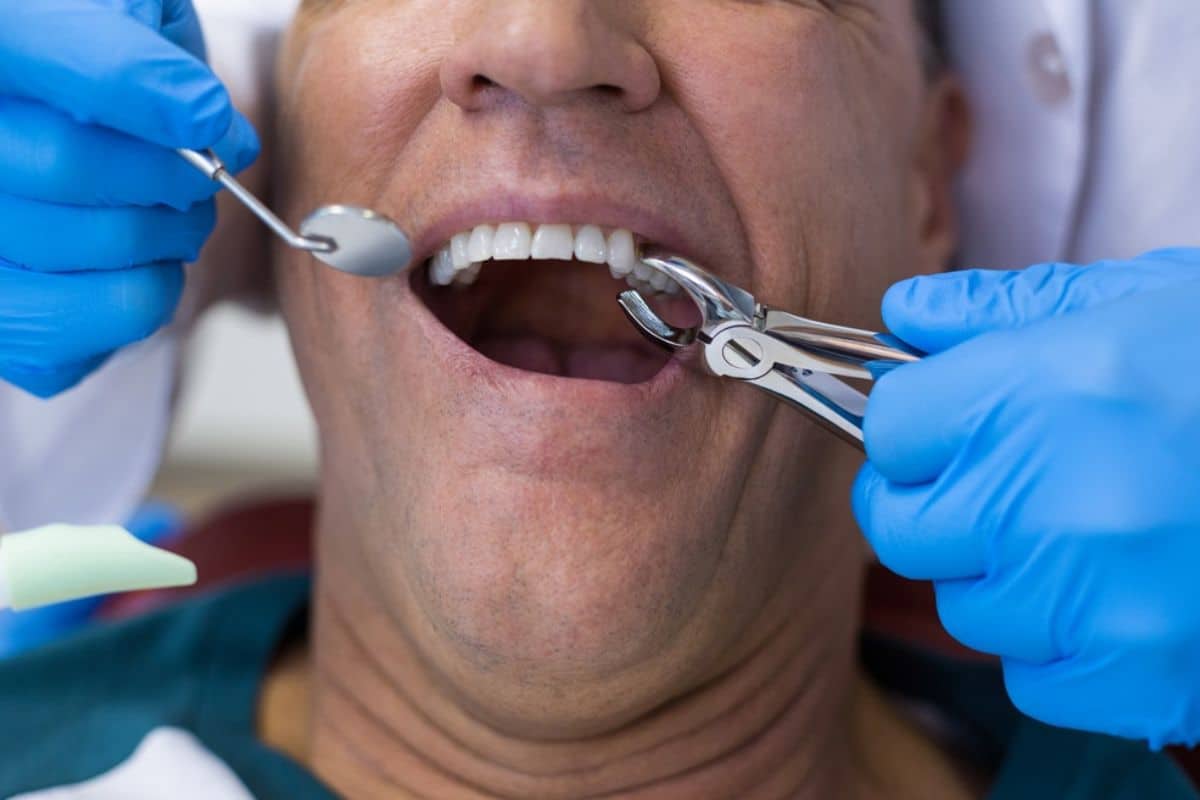
Most people do not rush to schedule a tooth removal. In fact, many patients try to delay treatment for as long as possible, hoping the pain will settle down or the problem will somehow improve on its own. That reaction is completely understandable. Nobody looks forward to dental procedures, especially when life in Loxahatchee is already busy with work, family responsibilities, outdoor activities, and long commutes around Palm Beach County.
The problem is that a severely damaged tooth rarely stays the same. In many cases, the condition slowly worsens beneath the surface even when symptoms temporarily fade. What begins as mild discomfort can eventually affect surrounding teeth, gum tissue, bone health, and overall oral function.
This is one reason patients searching for reliable tooth extractions loxahatchee providers often discover that early treatment may prevent more complicated dental problems later.
Why Some Teeth Cannot Be Saved
Modern dentistry focuses heavily on preserving natural teeth whenever possible. Procedures like fillings, crowns, and root canals are often successful at restoring damaged teeth. However, there are situations where removing a tooth becomes the healthiest long-term option.
Common reasons a tooth may no longer be repairable include:
- Severe decay reaching below the gumline
- Advanced infection inside the tooth root
- Deep fractures extending into the root structure
- Significant bone loss around the tooth
- Failed previous dental treatment
- Overcrowding is affecting bite alignment
- Impacted wisdom teeth
When damage becomes too extensive, delaying removal can increase the risk of infection spreading to nearby tissues.
Pain Does Not Always Reflect the Severity of the Problem
One of the biggest misconceptions patients have is assuming that less pain means the tooth is improving. Unfortunately, dental infections do not always follow predictable patterns.
Some severely damaged teeth stop hurting temporarily because the nerve inside the tooth has already died. While that may seem like good news at first, the infection itself may still remain active underneath the gums.
Warning signs patients should never ignore include:
- Swelling near the gums or jaw
- Persistent bad taste in the mouth
- Difficulty chewing comfortably
- Tooth discoloration
- Gum tenderness
- Pressure around the affected tooth
- Intermittent throbbing pain
Even mild symptoms deserve professional evaluation before the condition worsens further.
How Delayed Removal Can Affect Nearby Teeth
A damaged tooth does not exist in isolation. The surrounding teeth, gums, and jawbone all work together as part of a connected system.
When a severely compromised tooth remains untreated for too long, neighboring teeth may begin absorbing additional bite pressure. This can increase wear, shifting, and sensitivity over time.
Infections can also spread into the surrounding gum tissue and bone. In some cases, nearby healthy teeth become affected simply because treatment was postponed for too long.
Patients living active lifestyles around Loxahatchee often continue chewing on one side of the mouth without realizing how much imbalance this creates. Over time, uneven chewing patterns may contribute to jaw discomfort and additional dental complications.
Gum and Bone Damage Can Progress Quietly
Many people focus only on the visible part of the tooth. However, the structures underneath the gums are equally important.
Untreated infections can gradually damage the bone supporting the tooth. Once bone loss develops, future restorative treatment may become more complicated.
This becomes especially important for patients considering future tooth replacement options such as dental implants. Healthy bone support plays a major role in long-term implant success.
Removing a severely infected tooth early may help preserve more of the surrounding bone and reduce future treatment complexity.
Everyday Life Becomes More Difficult Than Patients Expect
Many patients adapt to dental discomfort without realizing how much it affects their daily routine.
Simple activities may gradually become frustrating, including:
- Eating crunchy foods
- Drinking cold beverages
- Sleeping comfortably
- Exercising regularly
- Speaking clearly
- Smiling confidently
In South Florida’s warm climate, dehydration can sometimes make oral discomfort feel even worse by contributing to dry mouth and gum irritation.
People often wait until pain becomes unbearable before scheduling care. Unfortunately, emergency situations usually require more extensive treatment than problems caught earlier.
Modern Tooth Removal Is Often Easier Than Patients Expect
Dental anxiety causes many patients to postpone treatment unnecessarily. Some people still associate extractions with outdated experiences from decades ago.
Modern dental techniques are far more comfortable and efficient than many patients realize.
Depending on the situation, treatment may involve:
- Local anesthesia
- Sedation options
- Gentle surgical techniques
- Digital imaging for precise planning
- Post-operative comfort guide
Most patients report that the relief after removing an infected or severely damaged tooth is far greater than the procedure itself.
Signs It May Be Time to Stop Waiting
It can be difficult to know when discomfort has crossed the line from manageable to serious. However, certain symptoms usually indicate the need for prompt evaluation.
You should contact a dental office if you notice:
- Swelling around the gums or jaw
- Pain while chewing
- Repeated infections
- A cracked or broken tooth
- Persistent sensitivity
- Drainage near the tooth
- Difficulty opening the mouth comfortably
Seeking care earlier often creates more treatment options and may reduce recovery time.
Why Local Preventive Care Matters
Many dental emergencies develop slowly over time rather than appearing suddenly. Regular checkups help identify small issues before they become severe enough to require removal.
Preventive care can help reduce the risk of:
- Deep decay
- Gum disease
- Tooth fractures
- Bone loss
- Oral infections
Families throughout Loxahatchee who stay consistent with dental visits often avoid more complex procedures later.
Working with a trusted provider offering tooth extractions that Loxahatchee patients depend on can help make treatment feel less stressful and more manageable when removal becomes necessary.
Protecting Your Long-Term Oral Health
Removing a severely damaged tooth is never a decision patients make lightly. However, delaying treatment too long can sometimes create far larger oral health problems than the original issue itself.
The good news is that modern dentistry offers comfortable solutions designed to protect your health, reduce discomfort, and restore daily function. Early evaluation allows patients to make informed decisions before infections or structural damage worsen.
If you have been dealing with ongoing tooth pain, swelling, or recurring dental problems, now may be the right time to schedule an evaluation and protect your long-term oral health before the condition becomes more complicated.
Frequently Asked Questions
How do I know if a tooth cannot be saved?
A dentist evaluates the amount of decay, infection, fracture depth, and bone support before determining whether restoration remains possible.
Can delaying a tooth extraction make the problem worse?
Yes. Untreated infections and structural damage can spread into nearby teeth, gums, and jawbone over time.
Is tooth removal painful?
Modern extractions are typically performed with local anesthesia and may involve sedation options for patient comfort.
What happens after a tooth is removed?
The area gradually heals while the dentist monitors recovery and discusses possible tooth replacement options if needed.
How long does recovery usually take?
Most patients begin feeling better within several days, although complete healing may take longer depending on the procedure.
Can an infected tooth affect overall health?
Yes. Oral infections may spread into surrounding tissues and potentially contribute to broader health complications if left untreated.
Return to Blog Homepage