
(561) 328-9050
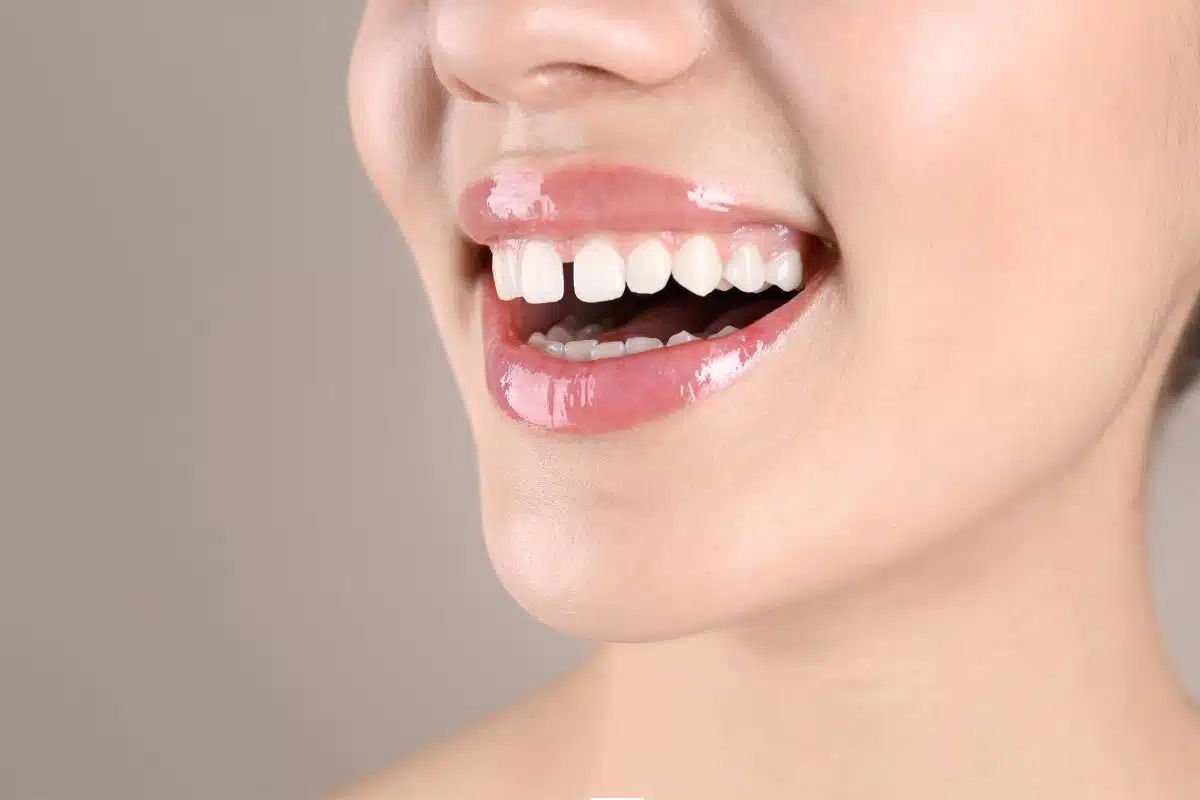
Widely spaced teeth, also known as diastema, are a common dental condition where there are noticeable gaps between teeth. These spaces can occur between any of the teeth but are most frequently seen between the front teeth. Understanding the reasons behind these gaps can help address any cosmetic or functional concerns. Here’s a closer look at why teeth might become widely spaced.
Genetic Factors
Genetics plays a significant role in the spacing of teeth. If you have a family history of widely spaced teeth, you might inherit this trait. Genetic factors can influence the size and shape of your teeth and jawbone, which in turn affects how teeth align and fit together. For example, some people might have a larger jaw relative to the size of their teeth, leading to gaps.
Misaligned Teeth and Jaw
Misalignment of teeth or an irregularly shaped jaw can contribute to spacing issues. When the teeth don’t align properly, it can create uneven gaps. Additionally, issues with jaw growth or development can cause spaces if the jaw is too large for the size of the teeth, or vice versa.
Tooth Loss
Losing a tooth, whether due to trauma, decay, or extraction, can result in a gap that may remain if the missing tooth isn’t replaced. Over time, the surrounding teeth might shift to fill the space, potentially leading to further alignment issues or additional gaps.
Dental Habits and Conditions
Certain dental habits or conditions can also lead to widely spaced teeth. For example:
- Thumb Sucking: Prolonged thumb sucking in children can affect the alignment of the teeth and create gaps.
- Tongue Thrusting: Constantly pushing the tongue against the teeth can influence spacing and alignment.
- Periodontal Disease: Gum disease can cause the gums to recede, which can contribute to the appearance of spaced teeth.
Over-Retained Primary Teeth
In children, if primary (baby) teeth do not fall out on schedule, it can prevent the permanent teeth from coming in properly, leading to spacing issues. These gaps may resolve once the primary teeth are lost and the permanent teeth erupt.
Orthodontic Treatment
Sometimes, spaces between teeth are intentionally created during orthodontic treatment to correct misalignment or to make room for other teeth. After treatment, the goal is often to close these gaps or align the teeth to improve overall dental health and aesthetics.
Natural Aging
As people age, their teeth can naturally shift, leading to gaps. This can be due to changes in bone density, gum recession, or wear and tear on the teeth. Aging can affect the spacing of teeth and contribute to the appearance of gaps over time.
Conclusion
Widely spaced teeth can arise from a variety of factors, including genetics, tooth loss, dental habits, and natural aging. While the presence of gaps may be purely cosmetic for some, others may seek dental solutions to address both the appearance and function of their smile. If you have concerns about widely spaced teeth, consulting with a dental professional can provide insights and potential treatment options to address your specific needs.
Return to Blog Homepage