
(561) 328-9050
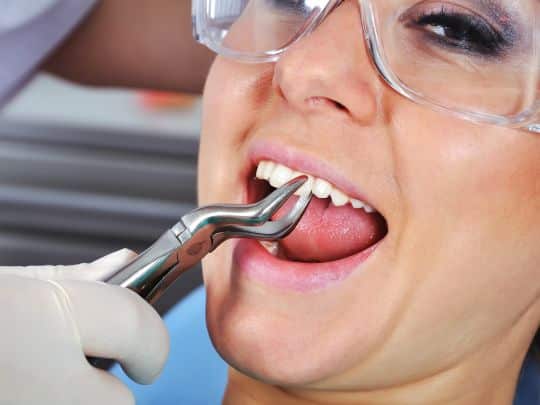
If you grew up hearing stories about painful dental visits, it’s understandable why the idea of having a tooth removed might still cause anxiety. For many Loxahatchee residents, dental care was once something you put off until pain decided for you. The good news is that modern dentistry has changed dramatically, and today’s extraction experience looks nothing like it did even a decade ago.
Advances in technology, patient-centered care, and comfort-focused techniques have made the process smoother, safer, and far less stressful. For families balancing busy schedules, outdoor lifestyles, and long commutes common in western Palm Beach County, this evolution matters more than ever.
Below, we’ll explore how modern dental practices are reshaping the experience and why patients in Loxahatchee are no longer afraid to take care of problem teeth when the time comes.
A Personalized Approach from the First Visit
One of the biggest shifts in modern dental care is personalization. No two patients are treated the same, and no extraction plan is rushed or generic.
Before anything is done, today’s dentists take the time to evaluate:
- Your overall oral health and bone condition
- Existing medical conditions or medications
- Anxiety levels or past dental experiences
- Lifestyle factors, including work demands and recovery time
This is especially important for Loxahatchee residents who may work outdoors, manage farms, or commute long distances. Treatment planning now considers how quickly you need to return to daily life—comfortably and safely.
Once this evaluation is complete, tooth extractions for Loxahatchee patients are planned with precision rather than urgency, which significantly improves outcomes.
Advanced Imaging Means Fewer Surprises
Modern digital imaging has transformed extractions from guesswork into predictable procedures. High-resolution scans allow dentists to see:
- Tooth positioned below the gumline
- Root shape and curvature
- Bone density and nerve placement
This level of detail helps reduce complications, shorten procedure time, and minimize trauma to surrounding tissue. For patients, that means less swelling, faster healing, and fewer follow-up concerns.
In rural and semi-rural communities like Loxahatchee, where patients may prefer fewer visits, this technology makes a noticeable difference.
Comfort-Focused Numbing and Anxiety Control
Pain control has come a long way. Today’s numbing agents work faster, last longer, and are tailored to each patient’s sensitivity level.
In addition, many practices now focus heavily on anxiety management, offering:
- Gentle injection techniques
- Clear explanations before every step
- A calm, unrushed environment
- Options for patients who feel nervous or tense
These comfort-first methods help patients feel in control, not overwhelmed. As a result, many people are surprised by how straightforward the experience feels.
Minimally Invasive Techniques That Protect Healing
Modern extraction techniques focus on preservation rather than force. Dentists now use methods designed to protect surrounding bone and gum tissue, which is especially important if tooth replacement may be considered later.
Benefits of this approach include:
- Reduced post-procedure pain
- Lower risk of infection
- Faster return to normal eating and speaking
- Better long-term oral health outcomes
For patients considering future restorations, this precision makes tooth extractions in Loxahatchee more future-friendly than ever before.
Clear Aftercare Instructions That Fit Local Lifestyles
Recovery doesn’t stop when you leave the office. One reason patients feel more comfortable today is the quality of aftercare guidance they receive.
Modern aftercare plans are realistic and tailored, addressing things like:
- Managing swelling in Florida’s warm climate
- Staying hydrated during outdoor work
- Choosing foods that fit local diets
- Knowing when physical activity is safe again
This practical guidance helps prevent complications and gives patients confidence during healing.
A Focus on Long-Term Oral Health, Not Just Removal
Extractions today are rarely treated as isolated procedures. Instead, they’re part of a bigger plan to protect your smile long-term.
Dentists now discuss:
- Whether saving the tooth is possible
- What happens if the space is left untreated
- Options to maintain bite balance and jaw health
- Preventing future issues that could lead to more removals
This education-based approach empowers patients to make informed decisions rather than feeling rushed or pressured.
Why Local Experience Matters
Choosing a dental provider who understands the Loxahatchee community can make a real difference. From flexible scheduling for long commutes to understanding the needs of families and outdoor workers, local experience leads to better care.
Practices serving this area know that patients value:
- Honest communication
- Efficient visits
- Conservative treatment planning
- Respect for time and comfort
This connection builds trust, which is a key reason many patients feel more at ease scheduling care today.
Ready to Take the Next Step?
If dental pain or a damaged tooth has been on your mind, now is a great time to address it with confidence. Today’s approach to tooth extractions, Loxahatchee patients rely on comfort, safety, and long-term health, not fear.
Scheduling an appointment early can help you avoid unnecessary discomfort and get back to enjoying life in Loxahatchee without distraction. A healthier smile starts with a conversation, and modern care makes that conversation easier than ever.
Frequently Asked Questions
Is a tooth extraction painful today?
With modern numbing techniques and gentle methods, most patients feel pressure but not pain during the procedure.
How long does recovery usually take?
Most patients return to normal activities within a day or two, depending on the complexity of the extraction.
Can I work outdoors after an extraction?
Light activity is often fine, but your dentist will provide specific guidance based on your job and healing needs.
What if I delay removing a damaged tooth?
Waiting can lead to infection, bone loss, and more complicated treatment later.
Will I need a replacement after the tooth is removed?
This depends on the location of the tooth and your bite. Your dentist will discuss options if needed.
Return to Blog Homepage