
(561) 328-9050
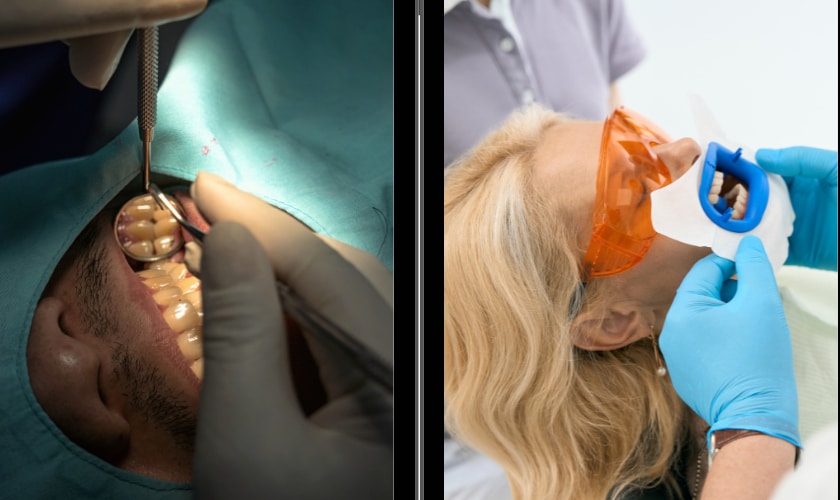
There’s a particular kind of dread that comes with a dentist saying “we need to talk about this tooth.” Your mind jumps straight to worst-case scenarios, usually involving a needle, a chair, and a bill you weren’t expecting. The good news is that most of the time, the decision comes down to just two paths, and neither one is as scary as the anticipation makes it feel.
If you’ve been told you might need Root Canal Treatment in Loxahatchee FL, or that extraction is on the table instead, you’re facing a choice a lot of your neighbors have already made and lived to smile about afterward.
Two Very Different Goals
It helps to understand that these procedures aren’t really competing for the same job. One is about saving a tooth. The other is about removing one that can’t reasonably be saved. Once you see it that way, the decision usually starts to feel less like a coin flip and more like a straightforward assessment of what’s actually happening inside your mouth.
A root canal deals with infection or damage inside the tooth itself. The dentist removes the infected pulp the soft tissue inside the tooth’s root cleans out the canal, and seals it up. The outer tooth stays right where it’s always been.
An extraction means the tooth comes out entirely. This usually happens when a tooth is too far gone to repair, when it’s impacted in the jawbone, or when infection has spread beyond what a root canal can address.
What Actually Determines Which One You Need
A few honest factors decide this, more than personal preference:
- How much healthy tooth structure is left. If there’s enough intact structure to support a crown after treatment, a root canal is often on the table. If the tooth is cracked below the gumline or badly decayed, extraction may be the only realistic option.
- Whether the infection has spread. Localized infection inside the tooth can usually be treated. Infection that’s moved into the surrounding bone changes the calculation.
- Your overall dental health. Patients with generally strong oral health are often better candidates for saving a tooth, since a root canal gives you a better long-term outcome than losing a natural tooth entirely.
- Cost and coverage. Root canals typically cost more upfront than extractions, though they usually save money long-term by avoiding the need for a bridge or implant later.
- Your own priorities. Some patients strongly prefer to keep a natural tooth whenever possible. Others would rather have a quicker resolution. Both are reasonable positions.
What Each Procedure Actually Involves
Knowing what to expect ahead of time takes a lot of the anxiety out of either option.
Before a root canal:
- The area gets numbed thoroughly before anything begins
- The dentist accesses the inside of the tooth and removes infected tissue
- The canal is cleaned, shaped, and sealed
- A crown is often placed afterward to protect the tooth long-term
Before a tooth extraction:
- Same numbing process, sometimes with sedation options depending on complexity
- The tooth is gently loosened and removed
- Stitches may be placed depending on the extraction site
- Your dentist will talk through replacement options if the tooth was visible or load-bearing
Recovery: What the First Few Days Look Like
After a root canal, mild sensitivity around the tooth is normal for a few days, especially when chewing. Over-the-counter pain relief usually handles it fine, and most patients are back to normal eating within a day or two.
After an extraction, expect some bleeding and swelling for the first day, along with a soft-food diet while the site heals. Ice packs and rest help more than people expect, and most discomfort fades noticeably by day three.
Either way, following your dentist’s specific aftercare instructions matters more than any general advice online — every mouth heals a little differently.
A Note for Loxahatchee Residents Specifically
Living out here means a slightly different rhythm than in more urban parts of Palm Beach County. Well water is common throughout much of Loxahatchee and the surrounding Acreage, and it often lacks the fluoride levels that municipal water systems provide, which can mean a bit more vulnerability to decay over time if it’s not accounted for with fluoride treatments or toothpaste choices. Add in the area’s love of citrus, iced tea, and long days outdoors, and small enamel issues can build up quietly over the years. None of this is cause for alarm — it’s just useful context for why routine checkups matter as much as they do out here.
For anyone facing a decision between Tooth Extractions in Loxahatchee, FL and root canal treatment, that same local context often factors into your dentist’s recommendation, since a mouth that’s been more exposed to bacteria over the years may respond differently to treatment than one with heavier fluoride exposure throughout life.
The Bottom Line
Neither option is inherently “worse.” A root canal preserves your natural tooth and, in most cases, gives you the best long-term function and appearance. An extraction is sometimes simply the more realistic path when a tooth is too compromised to save, and modern replacement options like implants or bridges can restore both function and looks afterward.
The right call really does depend on your specific tooth, your health history, and what matters most to you. That’s not a decision to make from a symptom checklist online it’s one to make with a dentist who can actually look at what’s going on.
Ready to Get a Clear Answer?
If a tooth has been bothering you and you’re not sure which direction makes sense, don’t wait for it to get worse. Request an appointment here and get a straightforward answer from someone who can actually examine the tooth instead of guessing from a description.
Frequently Asked Questions
Is a root canal actually as painful as people say? Not anymore. Modern numbing techniques mean most patients report the procedure itself feels similar to getting a filling, not the outdated horror stories that still circulate.
How do I know if my tooth can be saved with a root canal? Only an exam and X-ray can confirm this. Factors like how much healthy structure remains and whether infection has reached the bone play a big role.
What happens if I skip treatment and do nothing? Untreated infection can spread, potentially affecting nearby teeth, the jawbone, or in rare cases, becoming a more serious health issue. It’s not something that resolves on its own.
Will I need a replacement tooth after an extraction? Often, yes, especially for visible or load-bearing teeth. Your dentist will typically discuss bridges, implants, or partial dentures during your consultation.
How soon can I get in for an appointment if I’m in pain? Most practices prioritize patients dealing with active pain or swelling, so it’s worth calling and mentioning your symptoms directly when you book.
Return to Blog Homepage