
(561) 328-9050
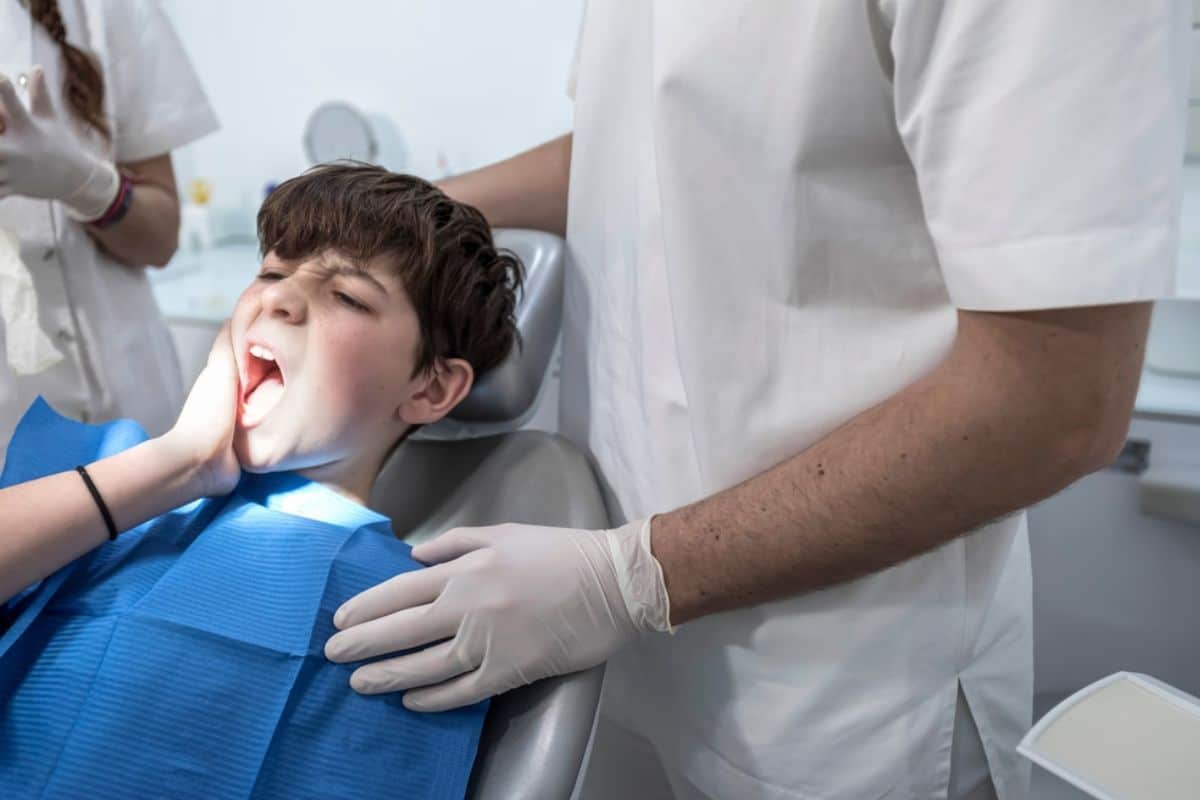
Dental emergencies can happen when you least expect them—during a meal, while playing sports, or even in the middle of the night. Whether it’s a sudden toothache, a knocked-out tooth, or a broken crown, knowing how to react quickly can make all the difference in saving your smile.
Why Staying Calm Matters
In the middle of an emergency, panic often makes the situation worse. Stress can raise your heart rate and cloud your judgment, making it harder to take the right steps. If you remain calm, you can think clearly and act efficiently to minimize damage before reaching for professional dental care.
Common Types of Dental Emergencies
Before you can respond effectively, it helps to recognize the situations that qualify as urgent:
- Severe toothache or swelling
- Knocked-out or loose tooth
- Broken or cracked tooth
- Lost filling or crown
- Oral injuries causing bleeding that won’t stop
Each of these requires prompt attention to prevent further complications.
How to Act Fast in an Emergency
When dealing with a dental emergency in Loxahatchee, following the right steps can protect your teeth and ease discomfort until you reach a dentist:
- For Toothaches: Rinse your mouth with warm water and gently floss to remove any trapped food. Avoid placing aspirin directly on the tooth or gums.
- For a Knocked-Out Tooth: Hold the tooth by the crown, rinse gently, and try to place it back in the socket. If that’s not possible, keep it in milk or saliva until you see a dentist.
- For Cracked or Broken Teeth: Rinse your mouth with warm water and apply a cold compress to reduce swelling. Save any broken pieces.
- For Lost Fillings or Crowns: Use dental cement or sugar-free gum as a temporary measure until you get professional help.
- For Soft Tissue Injuries: Rinse with warm salt water and apply gentle pressure with gauze to stop bleeding.
Tips to Stay Calm in the Moment
Remaining composed can help you follow these steps more effectively. Here are a few quick ways to manage stress during a dental crisis:
- Take deep breaths to steady your nerves.
- Focus on the steps you need to take instead of the pain.
- Keep a dental emergency kit at home or in your car with gauze, pain relievers, and a small container for storing a tooth.
- Remind yourself that professional care is available and that most dental emergencies can be treated successfully.
When to Seek Immediate Help
Not every oral issue is a true emergency, but severe pain, bleeding, or visible tooth damage should always be taken seriously. If you are unsure, it’s better to err on the side of caution and contact a dentist right away. Prompt action often prevents long-term problems and keeps treatment simpler.
Final Thoughts
No one plans for a dental emergency, but preparing yourself with the right knowledge can help you protect your teeth and stay calm under pressure. When urgent care is needed, reaching out to a trusted dental team ensures you get the professional help you need quickly. For compassionate emergency care in the area, Groves Dental Care is here to support your oral health when you need it most.
Return to Blog Homepage