
(561) 328-9050
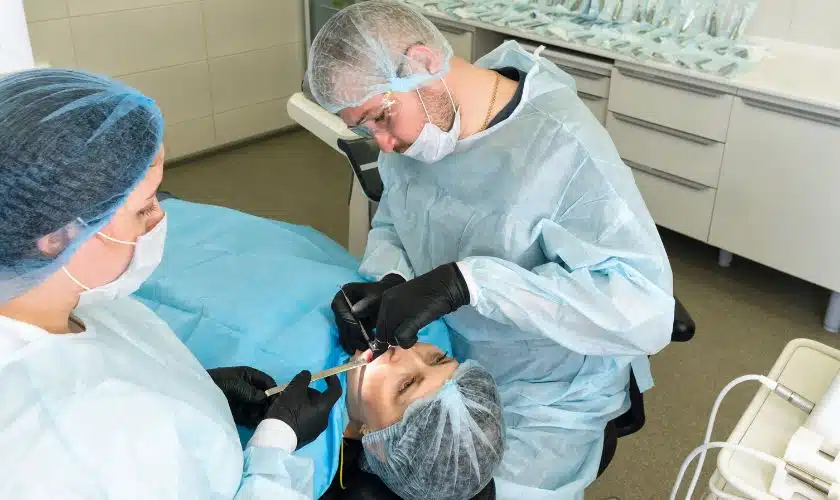
If you’ve recently had a difficult tooth removed, you’re probably asking one big question: “Is this normal?” Swelling, soreness, tenderness when chewing—these can all feel concerning if you don’t know what to expect. The truth is, healing after a surgical extraction follows a fairly predictable timeline. Knowing what’s typical—and what isn’t—can give you peace of mind and help you recover faster.
At Groves Dental Care in Loxahatchee, patients often come in for Complex Tooth Extractions when a tooth is severely damaged, impacted, or broken below the gumline. These procedures are more involved than simple extractions, so the recovery process may take a little longer. Let’s walk through what healing usually looks like and when you should reach out for help.
The First 24 Hours: Protection and Clot Formation
Immediately after your procedure, your body goes into protection mode. A blood clot forms in the socket where the tooth was removed. This clot is essential it acts as a natural bandage and protects the bone and nerves underneath.
What’s normal:
- Mild bleeding or oozing for several hours
- Swelling around the cheek or jaw
- Numbness from local anesthesia
- Soreness when the numbness fades
What’s not normal:
- Heavy bleeding that doesn’t slow after applying pressure
- Severe pain that begins suddenly after feeling manageable
For Loxahatchee residents, especially those heading home along Southern Boulevard or spending time outdoors in our warm Florida climate, it’s important to rest and avoid heat exposure. Excessive activity or bending can increase bleeding. Keep your head elevated and follow post-op instructions carefully.
Days 2–3: Swelling Peaks
This is often the stage when patients worry the most. Swelling can actually increase before it improves. Bruising may appear along the jaw or neck.
What’s normal:
- Swelling that peaks around 48–72 hours
- Stiffness when opening your mouth
- Mild discomfort controlled by prescribed or recommended medication
Helpful recovery tips:
- Use cold compresses during the first 24 hours
- Switch to warm compresses after swelling peaks
- Stay hydrated (water is best)
- Eat soft foods like yogurt, mashed potatoes, smoothies, or scrambled eggs
Living in Loxahatchee means we enjoy fresh produce and smoothies year-round. Just remember—avoid using a straw, as suction can disturb the clot.
Days 4–7: Gradual Improvement
By this point, you should notice steady improvement. Swelling decreases, and tenderness becomes more manageable.
What’s normal:
- Mild jaw soreness
- Slight sensitivity when chewing
- A small indentation where the tooth was
What’s not normal:
- Foul taste or odor from the extraction site
- Persistent throbbing pain radiating to the ear
- Fever or chills
This could signal a dry socket or infection, which requires prompt care. If something doesn’t feel right, don’t wait. Early treatment makes a big difference.
Week 2: Tissue Repair
The gum tissue begins closing over the site. You may still feel a small dip or roughness on your tongue, but tenderness should be minimal.
At this stage, most patients can return to normal eating habits. However, avoid very hard or crunchy foods until your dentist confirms full healing.
If your procedure involved Complex Tooth Extractions, bone healing beneath the gums will continue for several weeks or even months. This is especially important if you’re planning a future dental implant.
One Month and Beyond: Bone Healing
Although the gum surface may look healed within a couple of weeks, deeper bone healing takes longer. This process is gradual and usually symptom-free.
If you’re considering tooth replacement, this is the time to discuss the next steps. Proper healing ensures a strong foundation for future restorative treatments.
Quick Healing Checklist
Here’s a simple reference guide to keep you on track:
- Rest the first 24 hours
- Avoid smoking or vaping
- Do not rinse vigorously on day one
- Follow medication instructions
- Keep follow-up appointments
- Call your dentist if pain suddenly worsens
When Should You Call the Dentist?
It’s always better to ask than to guess. Contact your dental office if you notice:
- Bleeding that won’t stop
- Severe pain after initial improvement
- Signs of infection
- Difficulty swallowing or breathing
Your health and comfort matter. Early intervention prevents complications.
Why Local Patients Trust Groves Dental Care
Residents of Loxahatchee and nearby communities like The Acreage and Royal Palm Beach appreciate personalized care close to home. Whether you’re juggling work, family life, or enjoying Florida’s outdoor lifestyle, convenience and reliability matter.
Groves Dental Care focuses on careful planning, clear communication, and thorough aftercare guidance. From your first consultation to your final follow-up, you’ll know exactly what to expect.
If you ever feel unsure about your recovery, a quick phone call can provide reassurance—or help you schedule a same-day visit if needed.
Ready for a Smooth Recovery?
Healing after Complex Tooth Extractions doesn’t have to feel overwhelming. When you understand what’s normal, you can recover with confidence and peace of mind.
If you’re experiencing ongoing discomfort or you’ve been told you need a surgical extraction, schedule a consultation today at Groves Dental Care. Our team is here to answer your questions, guide your recovery, and help you return to comfortable, confident living as quickly as possible.
Your smile deserves attentive, local care. Book your appointment and let us help you heal the right way.
Frequently Asked Questions
How long does pain last after a surgical extraction?
Most discomfort improves significantly within 3–5 days. Mild tenderness can last up to two weeks.
What is dry socket, and how do I avoid it?
Dry socket happens when the blood clot dislodges. Avoid straws, smoking, and vigorous rinsing during the first few days.
Can I go back to work the next day?
Many patients return to desk jobs within 24–48 hours. If your job is physically demanding, you may need more rest.
Is swelling worse in Florida’s heat?
Heat can increase inflammation. Stay indoors in air conditioning during the first couple of days and stay hydrated.
When can I exercise again?
Light activity after 48 hours is usually fine, but avoid intense workouts for at least 3–5 days.
Return to Blog Homepage