
(561) 328-9050
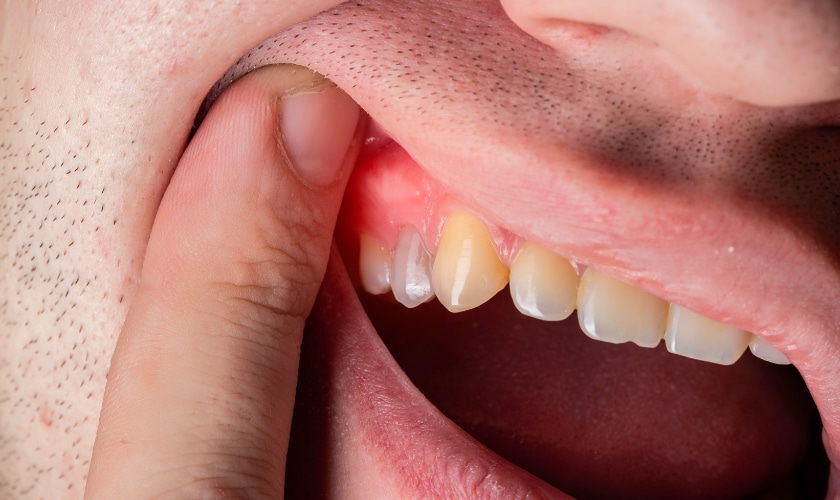
Are you experiencing bad breath, bleeding gums, or even tooth loss? Chances are you might be suffering from gum disease. Whether it’s mild gingivitis or severe periodontitis, gum disease can cause serious oral health issues if not treated properly. In this blog post, we will discuss the causes and symptoms of gum disease and provide effective treatment options to help combat this common dental problem. So sit back and read on to learn how you can keep your gums healthy and strong!
What is Gum Disease?
Gum disease is a bacterial infection of the gums that can progress to affect the bone supporting the teeth. Gum disease is caused by plaque, a sticky film of bacteria that forms on teeth. If plaque is not removed, it can harden into tartar, which leads to gingivitis, an early stage of gum disease. Gingivitis causes the gums to become red and swollen and bleed easily. If gingivitis is not treated, it can advance to periodontitis, a more serious form of gum disease. Periodontitis damages the gum tissue and bone that support the teeth. This can eventually lead to tooth loss. Therefore, gum disease treatment is required as early as possible.
The Different Types of Gum Disease
Gum disease can be classified into three different types: gingivitis, periodontitis, and advanced periodontitis.
Gingivitis is the mildest form of gum disease and is characterized by red, swollen, and bleeding gums. Gingivitis is caused by plaque buildup on the teeth. Plaque is a sticky film of food debris, bacteria, and saliva. If plaque is not removed, it can harden into tartar (calculus). Tartar can only be removed by a dental professional. Gingivitis is reversible with good oral hygiene.
Periodontitis is a more serious form of gum disease that can damage the bone supporting the teeth. Periodontitis occurs when plaque and tartar are not removed from the teeth, causing the gums to become inflamed and eventually pull away from the teeth. This creates pockets where more plaque can accumulate. As periodontitis progresses, the bone supporting the teeth is destroyed. The teeth may eventually become loose and need to be removed.
Advanced periodontitis is characterized by extensive damage to the gums and bone supporting the teeth. In advanced cases, pockets around the teeth fill with pus (abscesses). The gums may also recede significantly, exposing more of the tooth roots. Teeth may become loose or may fall out completely. Advanced periodontitis requires aggressive treatment to prevent further damage to the mouth.
Causes of Gum Disease
The primary cause of gum disease is poor oral hygiene. Without regular brushing and flossing, plaque and tartar can build up on teeth and along the gumline. This can lead to gingivitis, an early stage of gum disease characterized by redness, swelling, and bleeding gums. If left untreated, gingivitis can progress to periodontitis, a more serious form of gum disease that can damage the soft tissue and bone supporting the teeth.
Other factors that may increase your risk of developing gum disease include:
- Smoking or using other tobacco products
- Poor nutrition
- Hormonal changes (such as during pregnancy)
- Certain medications (such as those used to treat high blood pressure, depression, or asthma)
- Family history of gum disease
- Stress
Symptoms of Gum Disease
When gum disease is in its early stages, it may not cause any pain or other symptoms. This is why it is important to visit your dentist regularly for checkups. However, as the disease progresses, you may experience the following symptoms:
- Swollen gums that are tender or bleed easily
- Persistent bad breath
- Receding gums
- Formation of deep pockets between teeth and gums
- Loose teeth
- Changes in the fit of partial dentures
- If you experience any of these symptoms, it is important to see your dentist so that you can receive treatment. With early diagnosis and treatment, gum disease can be controlled and reversed.
Effective Treatment Options for Gum Disease
Periodontal disease is an infection of the gums that can progress to damage the bone supporting your teeth. If not treated, periodontal disease can lead to tooth loss.
There are a number of effective treatment options available for gum disease, depending on the severity of the condition.
Mild cases of gum disease can often be treated with good oral hygiene at home, including brushing twice daily, flossing daily, and using an antibacterial mouthwash. More severe cases may require deep cleanings by a dental professional, antibiotics, or other treatments.
If you think you may have gum disease, it’s important to see a dentist as soon as possible so that they can diagnose the problem and recommend the best course of treatment.
Conclusion
Gum disease is an uncomfortable and often painful condition that can lead to permanent damage if left untreated. It’s important to recognize the symptoms of gum disease early so that it can be treated quickly and efficiently. Thankfully, there are various effective periodontal treatment options available for those suffering from this condition, ranging from brushing and flossing regularly to more advanced treatments such as surgery or laser therapy. Understanding the causes of gum disease is key to preventing the development of this common oral health problem in the first place.
Return to Blog Homepage