
(561) 328-9050
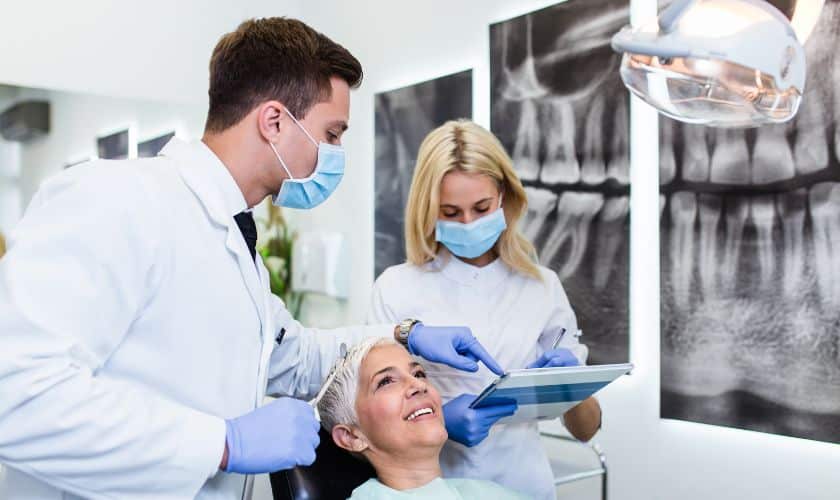
For many people, the mere idea of visiting the dentist can trigger feelings of unease and apprehension. Whether it’s a routine check-up or a more complex dental procedure, dental anxiety is a prevalent and entirely reasonable occurrence. However, there exists a solution that can significantly enhance the comfort and ease of dental visits: dental sedation. In this blog post, we will delve into the realm of dental sedation, elucidating why dentists advocate for its use and how it can transform your dental experience.
Grasping the Concept of Dental Sedation
Dental sedation entails the utilization of medications to induce relaxation and calmness in patients during dental procedures. It spans the spectrum from minimal sedation, where you remain awake but deeply relaxed, to deep sedation, where you are on the brink of slumber yet still rousable if needed, and general anesthesia, where you are entirely unconscious.
Here are some common varieties of dental sedation:
1. Nitrous Oxide (Laughing Gas):
This represents a mild form of sedation delivered via a mask placed over the nose. It ushers in a sense of relaxation and euphoria while preserving consciousness and responsiveness.
2. Oral Sedation:
Dentists may prescribe oral medications, typically in pill form, to be taken prior to the appointment. These medications can induce mild to moderate sedation, alleviating anxiety and inducing drowsiness.
3. Intravenous (IV) Sedation:
This form of sedation is administered intravenously, leading to a deeper level of sedation. It is often employed for more intricate dental procedures.
4. General Anesthesia:
In specific situations, particularly for extensive surgeries or when patients grapple with severe dental anxiety, general anesthesia may be employed to render the patient completely unconscious throughout the procedure.
The Rationale Behind Dentists’ Recommendation of Dental Sedation
1. Anxiety Alleviation
Dental sedation serves as a potent instrument for anxiety management. It empowers patients to feel more at ease and composed before and during their dental appointments. This proves especially advantageous for individuals contending with dental phobias or distressing past encounters.
2. Pain Mitigation
Sedation can also augment pain management. By fostering relaxation, it facilitates more effective and less discomforting dental procedures.
3. Augmented Comfort
One of the principal motives behind dentists’ endorsement of sedation is the enhancement of overall comfort during dental encounters. When patients remain relaxed, they are less prone to tension, thereby simplifying the dentist’s task.
4. Elevated Treatment Quality
Sedation can lead to more efficacious and efficient dental treatments. With cooperative and relaxed patients, dentists can concentrate on delivering optimal care without interruptions.
5. Time Efficiency
For intricate or protracted procedures, sedation can economize time for both the dentist and the patient. It permits the completion of multiple treatments or extensive procedures within a single appointment.
6. Patient Cooperation
Sedation proves to be exceptionally beneficial for pediatric dentistry. Children may encounter difficulties in remaining still during dental procedures, and sedation can facilitate their cooperation, enabling them to receive necessary treatments.
7. Memory Suppression
Certain patients prefer not to recollect the details of their dental procedures. Sedation can induce transient amnesia, sparing patients from potentially distressing recollections of the experience.
Is Dental Sedation Appropriate for You?
The suitability of dental sedation hinges on diverse factors, including the degree of your anxiety, the nature of the procedure, and your overall health. Dentists meticulously assess each patient’s individual requirements and tailor their approach accordingly. It is crucial to engage in a dialogue with your dentist concerning your concerns and preferences to ascertain the most suitable sedation option for your particular case.
Dental sedation has ushered in a revolution in the dental realm, offering a solution to dental anxiety and discomfort that countless patients have found transformative. It provides an answer to dental anxiety and discomfort, rendering it more accessible for individuals to obtain essential oral care. Dentists advocate for dental sedation to enhance patient comfort, elevate treatment quality, and effectively manage anxiety. If dental anxiety has been a barrier to seeking the dental care you require, it is worthwhile to discuss dental sedation alternatives with your dentist. It could hold the key to a more tranquil and agreeable dental experience, ultimately benefiting your long-term oral health.
Return to Blog Homepage