
(561) 328-9050

The possibility of losing a tooth can have a detrimental impact on your self-esteem, which is why you should be aware of all your options.
If you’ve experienced a fracture, decay, or significant wear, a dental crown can help preserve your natural tooth while restoring its function and appearance. This blog will explore how dental crowns save damaged teeth and the benefits they offer.
A dental crown makes a weak tooth stronger, restores the bite, and covers flaws brought on by damage.
Reasons for tooth damage may include:
- Past root canal therapies
- Ongoing infection
- Large untreated cavity
- Trauma
- Certain medications
How Dental Crowns Work
The process begins with a dental exam, possibly x-rays or other to determine the viability of your tooth.
If the dentist feels that the tooth is viable, he will prepare your tooth for a dental crown. This entails removing any decay and making sure there isn’t lingering infection or bacteria present.
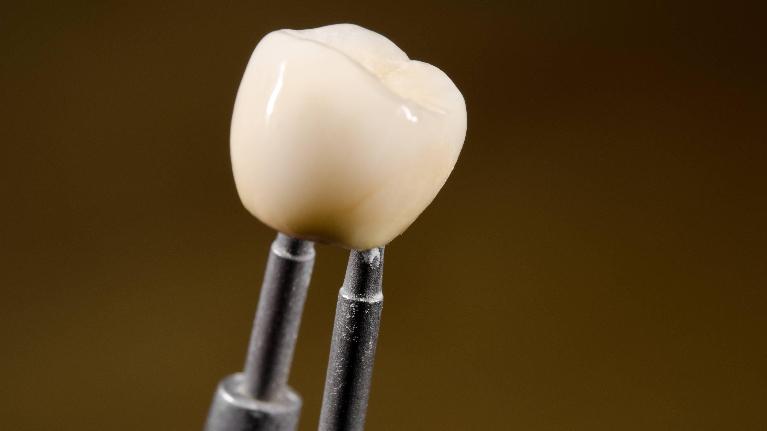
A dental crown is a permanent tooth-shaped topper that goes on over your prepared tooth. Dental crowns look natural because they are custom-designed to blend in with your smile. Even the crown color matches your surrounding teeth.
Throughout the process, our dentist and staff will make sure you’re relaxed and comfortable. We offer numbing agents, too.
Preventing Tooth Damage
Initial Evaluation: The process begins with a thorough examination by your dentist. They will assess the extent of the damage and determine if a crown is the best solution for your specific situation.
Tooth Preparation: If a crown is needed, the dentist prepares the tooth by removing any decay and reshaping it to ensure a proper fit. If the tooth is severely damaged, a root canal may be performed to eliminate infected pulp before crown placement.
Impression Taking: After preparing the tooth, the dentist takes impressions to create a custom crown that perfectly fits your tooth. This ensures that the crown will function properly and look natural.
Temporary Crown Placement: While the permanent crown is being crafted in a dental laboratory, a temporary crown may be placed over the prepared tooth to protect it.
Permanent Crown Placement: Once the permanent crown is ready, you will return to the dentist for its placement. The temporary crown will be removed, and the permanent crown will be secured with dental cement.
The American Dental Association cautions people to brush and floss twice daily. You should also see your dentist regularly and never skip twice-yearly dental cleanings.
If you notice tooth pain or swelling, see your dentist immediately. And always wear the proper helmets and mouth guards when playing sports.
Conclusion
A dental crown is a highly effective way to save a damaged tooth, providing protection, functionality, and aesthetic appeal. Whether due to decay, trauma, or previous dental work, crowns can restore your smile and ensure your teeth remain healthy and functional for years to come. If you’re dealing with a damaged tooth, consult your dentist to discuss whether a dental crown is the right solution for you.
If you have a damaged tooth or dental pain, contact us immediately. At Groves Dental Care, we will do everything we can to save your tooth and restore function right here in our Loxahatchee, FL dental office.
Return to Blog Homepage