
(561) 328-9050
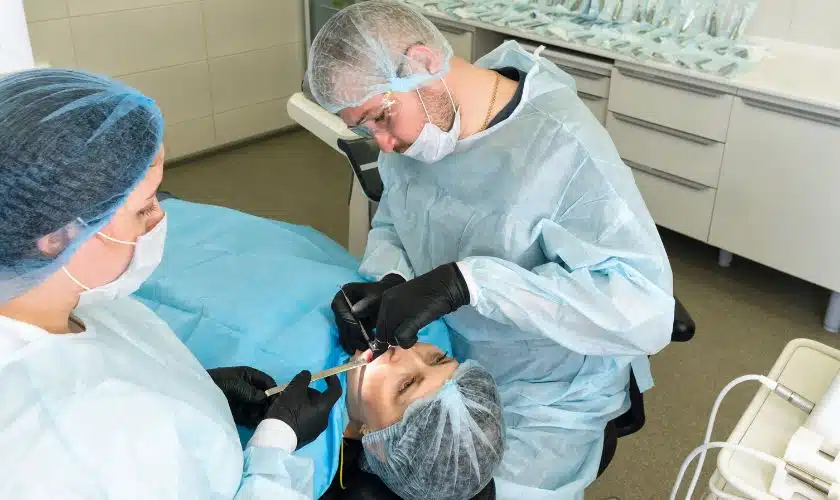
Sedation dentistry has emerged as a game-changer, providing a solution for individuals with dental anxiety or fear. However, a common question arises: can sedation dentistry be effectively used for patients with sensitive teeth or gums in Loxahatchee? In this comprehensive exploration, we delve into the nuances of sedation dentistry, its applications, and the considerations for individuals with dental sensitivity.
Understanding Sedation Dentistry In Loxahatchee
Sedation dentistry involves the use of medication to help patients relax during dental procedures. It is not limited to addressing anxiety; it also caters to individuals with varying levels of dental sensitivity. Loxahatchee residents seeking dental care can benefit from sedation dentistry to ensure a comfortable and stress-free experience.
Tailoring Sedation For Dental Sensitivity
Addressing Dental Anxiety and Sensitivity
For patients in Loxahatchee dealing with sensitive teeth or gums, sedation dentistry provides an avenue to overcome potential discomfort during dental procedures. Sedatives are carefully administered by qualified professionals to induce relaxation, making it easier for individuals with dental sensitivity to tolerate necessary treatments.
Customized Approach To Sedation
One of the key advantages of sedation dentistry in Loxahatchee is its versatility. Dental professionals can tailor the level of sedation based on the individual’s specific needs and the nature of the dental procedure. From mild sedation to deeper levels, the approach is personalized to ensure both comfort and safety.
Types Of Sedation For Dental Sensitivity
Nitrous Oxide (Laughing Gas)
Nitrous oxide, commonly known as laughing gas, is a mild form of sedation. It is inhaled through a mask placed over the nose, inducing a relaxed state without rendering the patient unconscious. Nitrous oxide is particularly suitable for individuals with sensitive teeth or gums, as it provides a gentle, calming effect.
Oral Sedation
Oral sedation involves the use of prescription medications taken orally before the dental procedure. This form of sedation ranges from minimal to moderate, allowing individuals with dental sensitivity to undergo treatments with reduced anxiety and heightened comfort.
Intravenous (IV) Sedation
Intravenous sedation is administered directly into the bloodstream, offering a faster and more potent effect. While it is often associated with more complex procedures, it can be beneficial for patients in Loxahatchee with heightened dental sensitivity, ensuring a virtually pain-free experience.
Overcoming Challenges Of Dental Sensitivity
Strategic Planning of Procedures
Dental professionals in Loxahatchee take a strategic approach when dealing with patients who have sensitive teeth or gums. This may involve breaking down extensive treatments into smaller sessions or incorporating sedation dentistry to manage discomfort effectively. The goal is to address oral health needs while prioritizing the patient’s comfort.
Open Communication With The Dental Team
Effective communication between patients and their dental team is paramount, especially for those with dental sensitivity. Sharing concerns, past experiences, and the level of discomfort experienced during dental procedures helps the dental professionals in Loxahatchee tailor their approach, ensuring a positive and stress-free environment.
Benefits of Sedation Dentistry Beyond Anxiety
Pain Management
Sedation dentistry not only addresses anxiety but also serves as an effective tool for pain management. Patients with sensitive teeth or gums benefit from the pain-relieving properties of sedation, allowing for a more relaxed and less painful dental experience.
Improved Cooperation and Efficiency
Patients undergoing sedation are often more cooperative during dental procedures. This increased cooperation benefits both the patient and the dental team, leading to greater efficiency in completing treatments. For individuals with dental sensitivity, this means quicker procedures with minimal discomfort.
Considerations and Precautions
Medical History Assessment
Before administering sedation, dental professionals in Loxahatchee conduct a thorough assessment of the patient’s medical history. This includes evaluating any pre-existing conditions, medications, and allergies to ensure the chosen sedation method is safe and suitable for the individual.
Monitoring During Sedation
During sedation, patients are closely monitored by trained professionals to ensure their safety and well-being. Monitoring vital signs allows the dental team to make real-time adjustments to the level of sedation, providing a controlled and secure environment for individuals with dental sensitivity.
Post-Sedation Care And Recovery
Gradual Waking Process
After the dental procedure is complete, patients gradually awaken from the sedated state. Dental professionals in Loxahatchee prioritize a calm and monitored waking process, allowing individuals to recover at their own pace.
Post-Procedure Instructions
Patients receive clear post-procedure instructions to follow at home. These instructions may include dietary restrictions, activity guidelines, and any prescribed medications to manage potential discomfort. Following these guidelines ensures a smooth recovery for individuals with dental sensitivity.
Sedation dentistry in Loxahatchee offers a lifeline for individuals grappling with dental anxiety or sensitivity. The adaptability of sedation methods allows dental professionals to cater to the unique needs of each patient, providing a pathway to stress-free and comfortable dental care. For those with sensitive teeth or gums, the prospect of dental procedures becomes more manageable through the thoughtful application of sedation dentistry, ultimately contributing to improved oral health and overall well-being.
Return to Blog Homepage