
(561) 328-9050
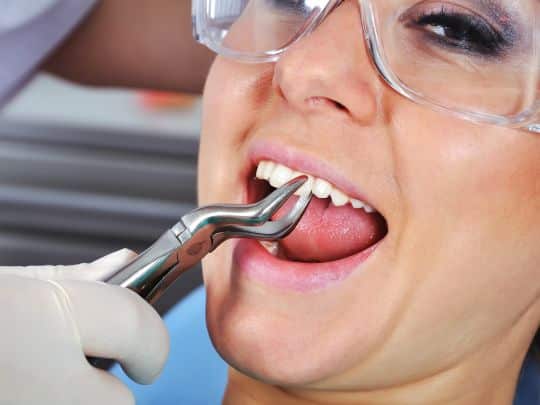
Most people do not look forward to having a tooth removed. It is understandable to want to postpone treatment, especially if the tooth is not causing constant pain. You may think waiting a few weeks or even a few months will not make much difference. However, when a dentist recommends an extraction, there is usually a good reason behind that recommendation.
A damaged, infected, or severely compromised tooth can affect more than just the tooth itself. In many cases, delaying treatment allows problems to spread to nearby teeth, gums, and supporting structures. Understanding these risks can help you make an informed decision about your oral health.
For patients seeking tooth extractions in Loxahatchee, timely care can often prevent more extensive and costly dental issues in the future.
Why Dentists Recommend Tooth Extractions
Dentists always aim to save natural teeth whenever possible. Treatments such as fillings, crowns, root canals, and periodontal therapy are typically considered before extraction.
However, there are situations where removing a tooth is the healthiest option, including:
- Severe tooth decay that cannot be repaired
- Advanced gum disease causing tooth instability
- Significant fractures below the gum line
- Dental infections that threaten surrounding tissues
- Overcrowding before orthodontic treatment
- Impacted teeth causing complications
When an extraction is recommended, delaying treatment may allow the underlying issue to worsen.
How One Problem Tooth Can Affect Nearby Teeth
Infection Can Spread
One of the most serious concerns is the spread of infection. A severely infected tooth can harbor bacteria that move into nearby gums, bone, and adjacent teeth.
What may begin as discomfort in a single tooth can eventually lead to:
- Abscess formation
- Damage to neighboring teeth
- Bone loss around surrounding teeth
- Increased risk of additional extractions
In some cases, untreated dental infections can even affect overall health.
Increased Pressure on Adjacent Teeth
When a damaged tooth is painful, many patients unconsciously change the way they chew. This shift places additional pressure on nearby teeth that were never designed to handle that workload.
Over time, this can lead to:
- Excessive wear
- Cracks and fractures
- Tooth sensitivity
- Jaw discomfort
The longer the issue remains unresolved, the greater the strain on surrounding teeth.
Tooth Movement and Alignment Issues
Teeth naturally support one another. When a compromised tooth remains untreated, surrounding teeth may gradually shift position.
This movement can create:
- Crowding
- Bite problems
- Difficulty cleaning between teeth
- Increased plaque buildup
For patients considering future restorative treatments, tooth movement can make treatment more complicated and expensive.
Gum Health May Suffer
A severely damaged tooth often becomes a collection point for bacteria and food debris. Even diligent brushing and flossing may not fully remove harmful bacteria from hard-to-reach areas.
As bacteria accumulate, nearby gums may become:
- Inflamed
- Tender
- Prone to bleeding
- More susceptible to periodontal disease
Healthy gums are essential for supporting neighboring teeth. Protecting gum health is often one of the reasons dentists recommend timely treatment.
Bone Loss Can Begin Earlier Than You Think
Many people are surprised to learn that dental infections can contribute to jawbone deterioration.
When infection affects the supporting bone around a tooth, the surrounding structures can weaken over time. This loss of support may impact adjacent teeth and increase the likelihood of future dental complications.
Addressing the problem before extensive bone damage occurs can help preserve oral health and improve future treatment options.
A Common Scenario in Loxahatchee
Life in Loxahatchee can be busy. Between work, school schedules, community events, and outdoor activities, dental appointments sometimes get pushed down the priority list.
Many patients tell us they intended to schedule treatment but kept postponing it because the discomfort seemed manageable. Unfortunately, dental problems rarely improve without professional care.
A tooth that causes occasional sensitivity today could develop into a more serious issue requiring emergency treatment later. Taking action early often results in a simpler and more comfortable experience.
Signs You Should Not Ignore
If your dentist has recommended an extraction, contact the office promptly if you notice:
- Persistent tooth pain
- Swelling around the gums
- Bad taste in your mouth
- Facial swelling
- Difficulty chewing
- Increased tooth mobility
- Sensitivity that continues to worsen
These symptoms may indicate that the condition is progressing.
Benefits of Acting Early
Scheduling treatment when recommended can provide several advantages:
- Prevents infection from spreading
- Protects neighboring teeth
- Helps preserve gum health
- Reduces the risk of bone loss
- Minimizes future treatment costs
- Supports long-term oral health
Early intervention is often the most conservative approach in the long run.
What Happens After an Extraction?
Many patients worry about what comes next. Following a tooth removal, your dentist will discuss replacement options if necessary.
Depending on your situation, recommendations may include:
- Dental implants
- Bridges
- Partial dentures
Replacing a missing tooth can help maintain proper spacing and support healthy chewing function.
Protect Your Smile Before Problems Spread
A recommended extraction is rarely about one tooth alone. Dentists often consider how that tooth affects the surrounding teeth, gums, and bone when making treatment recommendations.
If you have been advised to have a tooth removed, delaying treatment may increase the risk of complications that affect multiple areas of your mouth. Taking action early can help preserve your oral health and prevent more extensive procedures later.
If you have questions about treatment options or are experiencing symptoms that concern you, scheduling an evaluation can provide clarity and peace of mind.
Frequently Asked Questions
Can a bad tooth damage nearby teeth?
Yes. Infection, bacteria, and shifting bite forces from a compromised tooth can negatively affect neighboring teeth and surrounding tissues.
Is it safe to wait a few months after a recommended extraction?
It depends on the condition of the tooth. In many cases, delaying treatment can allow decay, infection, or bone loss to progress.
How do I know if a tooth needs extraction?
A dentist will evaluate factors such as structural damage, infection, gum support, and whether the tooth can be restored successfully.
What happens if an infected tooth is left untreated?
The infection may spread to nearby teeth, gums, jawbone, and other areas of the body, potentially leading to more serious health concerns.
Will removing a tooth affect my other teeth?
Removing a problematic tooth often protects surrounding teeth. Your dentist may also recommend a replacement option to maintain proper alignment and function.
Return to Blog Homepage