
(561) 328-9050
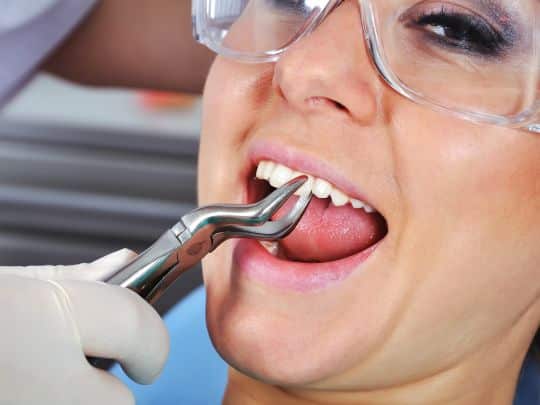
It is easy to ignore a damaged tooth when the pain comes and goes. Many people assume that if discomfort feels manageable, the problem is probably minor. Unfortunately, dental issues rarely improve on their own. A small crack, untreated cavity, or chipped tooth can slowly worsen over time, often leading to more complicated oral health concerns later.
Busy schedules, work responsibilities, and family commitments often cause people to postpone dental care. In communities like Loxahatchee, where residents spend time outdoors, participate in sports activities, and balance long commutes throughout Palm Beach County, it can feel tempting to delay treatment until symptoms become severe.
However, waiting too long may increase the risk of infection, tooth loss, and the need for more extensive procedures. Patients searching for solutions involving tooth extractions that providers offer are often surprised to learn that early treatment may have prevented the situation from becoming more serious.
Small Dental Problems Often Get Worse Quietly
One of the biggest misconceptions about dental damage is that pain always appears immediately. In reality, many oral health problems progress slowly and silently.
A small crack in a tooth may seem harmless at first. But over time, bacteria can enter the damaged area and reach deeper layers of the tooth. Cavities can also expand gradually beneath the surface without causing noticeable discomfort right away.
By the time swelling or severe pain appears, the tooth may already be badly infected.
Common Signs of a Damaged Tooth
- Sensitivity to hot or cold foods
- Pain while chewing
- Swollen gums
- A rough or chipped edge
- Persistent bad breath
- Discoloration
- Intermittent tooth pain
Even mild symptoms should never be ignored.
Infection Can Spread Beyond the Tooth
When a damaged tooth remains untreated, bacteria may eventually reach the inner pulp where nerves and blood vessels are located. This often leads to infection.
Dental infections can become extremely painful and may spread into the surrounding gum tissue or bone. In severe cases, untreated infections can affect overall health and require emergency care.
Many patients hoping to avoid treatment unintentionally create situations that become more complicated and expensive later.
Routine evaluations help dentists identify damage early, before extraction becomes necessary.
Delaying Care May Lead to Tooth Loss
One of the most common consequences of postponing treatment is losing the tooth entirely.
Dentists always aim to preserve natural teeth whenever possible. Procedures like fillings, crowns, or root canal therapy may save damaged teeth when problems are identified early.
However, when decay or infection becomes too advanced, extraction may be the healthiest option.
Patients researching tooth extraction in Loxahatchee dental offices are often dealing with conditions that began as small, manageable concerns months or even years earlier.
Damaged Teeth Can Affect Everyday Life
A damaged tooth impacts more than oral health alone. It can also interfere with daily comfort and confidence.
People often experience:
- Difficulty chewing certain foods
- Sensitivity while drinking hot or cold beverages
- Avoiding social situations due to discomfort
- Trouble sleeping because of tooth pain
- Jaw soreness from uneven biting pressure
For active residents throughout Loxahatchee, these issues can disrupt work schedules, outdoor activities, and family routines.
Stress and Teeth Grinding Can Make Damage Worse
Many people unknowingly grind or clench their teeth during sleep, especially during stressful periods.
Teeth grinding places additional pressure on already weakened teeth and may cause cracks to deepen over time. Patients often notice symptoms such as:
- Morning headaches
- Jaw tightness
- Worn enamel
- Increased tooth sensitivity
Combined with untreated decay or fractures, grinding can accelerate damage significantly.
Why Early Dental Visits Matter
Preventive dental care allows dentists to identify small issues before they become larger problems.
Routine exams may detect:
- Tiny fractures
- Early-stage cavities
- Loose fillings
- Gum inflammation
- Bite alignment concerns
- Signs of infection
Addressing these concerns early often reduces treatment complexity and cost.
For families and individuals throughout Palm Beach County, regular dental visits can help avoid unexpected emergencies that interrupt busy schedules.
Modern Dentistry Makes Treatment More Comfortable
Fear of discomfort is one of the biggest reasons patients delay dental care. Fortunately, modern dentistry has improved significantly over the years.
Today’s technology allows for:
- Faster diagnostics
- More comfortable numbing techniques
- Improved imaging accuracy
- Minimally invasive procedures
- Better patient communication during treatment
Many patients who postpone care out of anxiety are often surprised by how manageable modern dental treatment feels.
Even when procedures involving tooth extractions loxahatchee practices perform become necessary, modern techniques help improve comfort and recovery.
What Happens If a Tooth Needs Removal?
If a damaged tooth cannot be saved, extraction may help protect the surrounding teeth and gum tissue from further infection.
After removal, dentists may discuss replacement options such as:
- Dental implants
- Bridges
- Partial dentures
Replacing missing teeth helps maintain bite alignment and supports long-term oral health.
The earlier a damaged tooth is evaluated, the more treatment options may be available.
Tips to Protect Damaged Teeth Before Your Appointment
If you suspect tooth damage, taking quick action can help reduce complications before visiting the dentist.
Helpful Steps Include
- Avoid chewing on the affected side
- Rinse with warm salt water
- Avoid extremely hot or cold foods
- Maintain gentle brushing and flossing
- Schedule a dental appointment promptly
Ignoring symptoms rarely makes the problem disappear.
Final Thoughts
A damaged tooth may seem minor at first, especially when symptoms appear manageable. But dental problems rarely stay the same over time. Small cracks, cavities, and infections can quietly progress into more serious oral health concerns if left untreated.
Seeking dental care early can help preserve natural teeth, reduce discomfort, and prevent more extensive treatment later. For residents throughout Loxahatchee, staying proactive about oral health is one of the best ways to maintain a healthier, more comfortable smile for years to come.
Frequently Asked Questions
Can a cracked tooth heal on its own?
No. Teeth cannot naturally repair cracks or structural damage without professional treatment.
How do I know if a tooth infection is serious?
Swelling, severe pain, fever, or pus near the gums may indicate infection and should be evaluated immediately.
Is extraction always necessary for damaged teeth?
Not always. Many damaged teeth can be saved if treated early enough.
What happens if I ignore a cavity?
Untreated cavities continue to grow and may eventually lead to infection, nerve damage, or tooth loss.
How long does recovery take after a tooth extraction?
Most patients begin feeling better within a few days, although full healing may take a couple of weeks, depending on the procedure.
Return to Blog Homepage