
(561) 328-9050
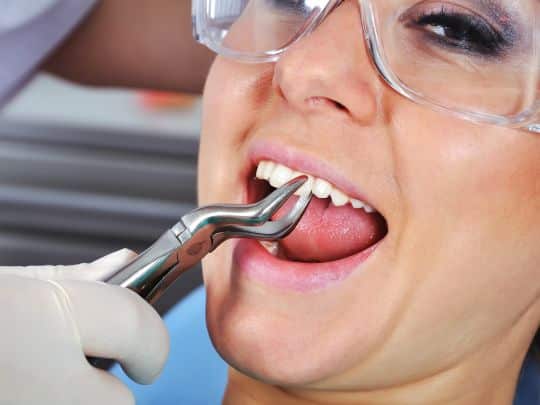
Getting a tooth removed can feel overwhelming, but the good news is that healing doesn’t have to be complicated. With the right aftercare, most people recover smoothly and get back to their normal routine sooner than expected. Whether your procedure was planned or an emergency, what you do in the hours and days after makes all the difference.
If you’ve recently undergone treatment or are planning one, understanding proper care is essential—especially when it comes to services like tooth extractions in Loxahatchee, where patients often want fast, comfortable healing without complications. Let’s walk through some simple, practical steps to help your mouth heal quickly and safely.
Why Aftercare Matters More Than You Think
After a tooth is removed, your body immediately begins forming a blood clot in the socket. This clot protects the bone and nerves underneath while new tissue forms. If it gets dislodged, it can lead to discomfort and delayed healing.
Good aftercare helps:
- Reduce pain and swelling
- Prevent infection
- Speed up tissue repair
- Avoid complications like dry socket
What to Do Right After Your Procedure
The first 24 hours are crucial. Small actions during this time can significantly improve your recovery.
Bite Gently on Gauze
Your dentist will place gauze over the extraction site. Apply gentle pressure on it for about 30–45 minutes to help stop bleeding and allow a clot to form.
Rest and Take It Easy
Plan to relax for the rest of the day. Avoid strenuous activity, especially in the warm, humid conditions common in Loxahatchee, as it can increase bleeding.
Use Cold Compresses
Apply an ice pack to your cheek in 10–15-minute intervals. This helps control swelling and provide relief.
Eat Smart for Faster Healing
Your diet plays a big role in recovery. Choosing the right foods can help you heal comfortably without irritating the area.
Stick to Soft Foods
For the first few days, focus on options like:
- Yogurt
- Mashed potatoes
- Smoothies (avoid straws)
- Scrambled eggs
- Soups (lukewarm, not hot)
Stay Hydrated
Florida’s warm climate makes hydration even more important. Drink plenty of water, but avoid carbonated or alcoholic beverages during early healing.
Avoid These Foods
Hard, crunchy, or spicy foods can disturb the extraction site. Skip chips, nuts, and anything that requires heavy chewing.
Protecting the Healing Area
Don’t Use Straws
Suctioning can dislodge the blood clot, leading to a painful condition known as dry socket.
Avoid Smoking or Tobacco
Smoking delays healing and increases the risk of infection. Even a short break can significantly improve your recovery outcome.
Keep Your Mouth Clean
After the first 24 hours, gently rinse your mouth with warm salt water a few times a day. This helps keep the area clean without irritation.
Managing Discomfort the Right Way
Some level of discomfort is normal, but it should be manageable.
- Take prescribed or over-the-counter pain relievers as directed
- Continue to use cold compresses if swelling persists
- Sleep with your head slightly elevated to reduce pressure
If pain worsens instead of improving after a couple of days, it’s important to contact your dentist promptly.
Healing Timeline: What to Expect
Every patient heals differently, but here’s a general idea:
Day 1–2: Mild bleeding and swelling
Day 3–4: Swelling starts to reduce, discomfort eases
Day 5–7: Tissue begins to close over the area
After 2 weeks: Significant healing with minimal sensitivity
Following proper aftercare ensures that this timeline stays on track.
Local Tips for Loxahatchee Patients
Living in Loxahatchee means enjoying sunshine and an active lifestyle, but it also means you need to be mindful during recovery.
If you’re used to outdoor activities like gardening, horseback riding, or spending time at local parks, consider taking a short break while you heal. Heat and physical exertion can slow recovery.
Also, keep in mind that local allergens and dust can sometimes irritate your mouth if you’re outdoors often. Staying indoors for the first day or two can make a noticeable difference in comfort.
When to Call Your Dentist
While most recoveries are smooth, watch for these signs:
- Severe or increasing pain after a few days
- Excessive bleeding that doesn’t stop
- Swelling that worsens instead of improving
- Fever or signs of infection
Prompt care can prevent minor issues from becoming serious problems.
Quick Aftercare Checklist
To keep things simple, here’s a quick recap you can follow:
- Rest and avoid heavy activity
- Eat soft, nourishing foods
- Keep the area clean with gentle rinsing
- Avoid straws and smoking
- Stay hydrated
- Follow your dentist’s instructions carefully
Take the Next Step Toward Comfortable Healing
Recovering from a tooth removal doesn’t have to be stressful. With the right care and guidance, you can heal quickly and get back to enjoying your daily life in Loxahatchee.
Whether you’re planning a procedure or experiencing discomfort after one, the team at Groves Dental Care is here to help. Schedule your appointment today and get personalized care designed to keep your smile healthy and your recovery smooth.
Frequently Asked Questions
How long does it take to fully heal after a tooth removal?
Most people feel much better within a week, but complete healing of the socket can take a few weeks.
Can I brush my teeth after the procedure?
Yes, but avoid the extraction site for the first day. After that, brush gently around the area.
Is swelling normal?
Yes, mild swelling is common for the first 2–3 days and should gradually improve.
When can I return to work or daily activities?
Many patients return to normal routines within 24–48 hours, depending on the complexity of the procedure.
What is a dry socket, and how can I avoid it?
Dry socket occurs when the blood clot is lost too early. Avoid straws, smoking, and vigorous rinsing to reduce the risk.
Return to Blog Homepage