
(561) 328-9050
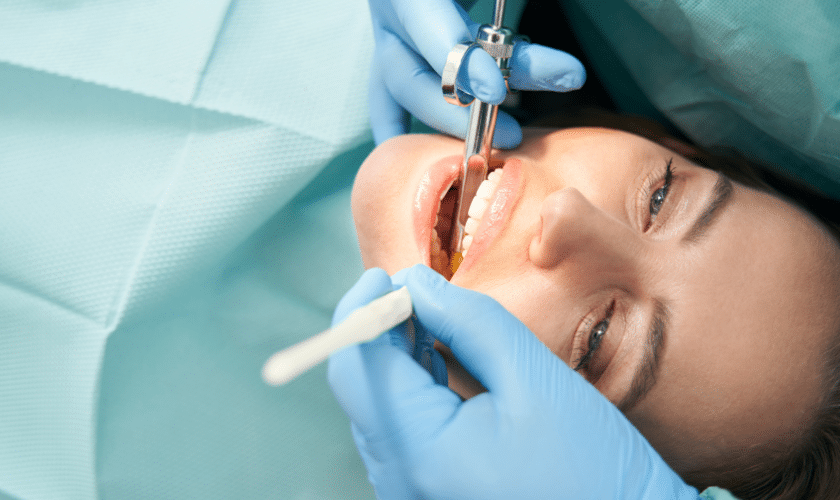
Are you one of those people who dread going to the dentist? The thought of sitting in that chair, feeling anxious, and experiencing pain can make anyone nervous. But what if we told you there was a way to make your dental visits completely painless? Yes, it’s true! Sedation dentistry is here to revolutionize your dental experience. In this blog post, we will explore the top benefits of sedation dentistry and how it can help you finally say goodbye to fear and discomfort at the dentist’s office. Get ready for a whole new level of relaxation and peace of mind!
What is Sedation Dentistry?
Sedation dentistry is a growing field in which dental patients are given medication to relax them during their procedure. This allows them to remain calm and comfortable throughout the entire process.
There are many benefits of sedation dentistry, including:
- Reduced anxiety and fear:
Many people feel anxious or even scared when they think about going to the dentist. Sedation dentistry can help reduce these feelings, making it easier for patients to get the care they need.
- Less pain:
Patients who are anxious or tense often experience more pain during dental procedures. Sedation can help lessen this pain, making it more tolerable for patients.
- Shortened procedure time:
When patients are relaxed, their procedures can often be completed more quickly. This can save time for both the patient and the dentist.
- Fewer side effects:
Medications used for sedation dentistry tend to have fewer side effects than those used for general anesthesia. This makes them a safer option for many patients, especially those with medical conditions that may be complicated by anesthesia
Benefits of Sedation Dentistry
Sedation dentistry can provide a number of benefits for patients who are anxious about or experience discomfort during dental procedures. The most common type of sedation used in dentistry is inhalation sedation, also known as laughing gas.
When inhaling sedation via a mask, you’ll quickly begin to feel relaxed and may even giggle a bit from the nitrous oxide (hence the nickname “laughing gas”). You’ll remain awake and be able to respond to questions or instructions from your dentist, but you likely won’t remember much about the procedure once it’s over.
Other types of sedation used in dentistry include oral conscious sedation (a pill taken before your appointment) and IV sedation (which delivers medication through a vein in your arm). These types of sedation will make you drowsy but not unconscious. Again, you should be able to respond to questions or instructions from your dentist, but you likely won’t remember much about the procedure once it’s over.
The main benefit of sedation dentistry is that it can help reduce anxiety and pain during dental procedures. It can also help those who have a strong gag reflex or sensitive teeth by preventing them from experiencing discomfort. In some cases, sedation dentistry can also help shorten the length of a procedure by allowing the dentist to work more quickly and efficiently.
Types of Sedation Available
There are several types of sedation available for those who experience anxiety or fear when visiting the dentist. The type of sedation will be based on the level of anxiety or fear the patient experiences. The three main types of sedation are:
- Oral Sedation:
Oral sedation is taken in pill form about an hour before the appointment. It relaxes patients and can make them feel drowsy but they will still be able to respond to questions and follow simple commands. Patients will need someone to drive them home after their appointment.
- IV Sedation:
IV sedation is administered through a small needle in the patient’s arm and delivers medication directly to the bloodstream. It works more quickly than oral sedation and can be adjusted throughout the procedure if necessary. Patients will not remember much of the procedure and may not be able to drive themselves home afterward, so someone will need to accompany them.
- General Anesthesia:
General anesthesia is used for more complex procedures and puts the patient completely to sleep. A trained anesthesiologist administers the anesthesia and monitors the patient’s vital signs during the procedure. Once it is complete, the patient will slowly wake up and recover in a designated area before being discharged home with someone else.
How to Prepare for Sedation Dentistry
Sedation dentistry can make even the most anxious dental patients feel relaxed and comfortable during their procedures. If you’re considering sedation for your next dental appointment, here’s what you need to know to prepare.
Before your procedure, you’ll need to eat a light meal and avoid alcohol. You should also wear loose, comfortable clothing. Once you arrive at the dentist’s office, you’ll be asked to sign a consent form.
During the procedure, you may be given nitrous oxide, oral sedatives, or IV sedation. Nitrous oxide is inhaled through a mask and takes effect quickly. Oral sedatives are taken by pill before the procedure. IV sedation is administered through an IV in your arm and takes effect more quickly than oral sedatives.
You will be closely monitored throughout the procedure and will not be able to drive yourself home afterward, so you’ll need to arrange for someone to drive you. Sedation dentistry is generally safe, but as with any medical procedure, there are some risks involved. Be sure to discuss these with your dentist before deciding if sedation dentistry is right for you.
Conclusion
We hope this article has provided a helpful overview of the benefits of sedation dentistry. From easing dental anxiety to providing more comfort and shorter appointment times, sedation dentistry can offer wonderful advantages for those who are afraid of going to the dentist or avoiding it due to physical pain. It is important to find a qualified practitioner you trust when considering any type of dental procedure that involves sedation, so make sure you do your research before making any decisions.
Return to Blog Homepage